Some new moms wonder if they should be on a special diet while breastfeeding. The answer is no. You can continue to enjoy the foods that are important to your family, including the meals you know and love.
NUTRITION TIPS
Dental health is just as important as physical health.
Drink plenty of fluids to stay hydrated.
Limit drinks with added sugars, like sodas and fruit drinks.
Limit the amount of caffeine you get each day.
Choose a variety of all food groups: fruits, vegetables, grains, dairy, and protein foods.
Talk to your healthcare provider about taking a supplement.
- In addition to healthy food choices, some women may need supplements.
Sometimes a breastfed baby may be sensitive to something the mother eats.
The following symptoms could indicate your baby has an allergy or sensitivity to something you eat:
Diarrhea, vomiting, green stools with mucus or blood
Rash, eczema, dermatitis, hives, dry skin
Fussiness during or after feedings
Intense crying for long periods
Sudden waking with discomfort
Wheezing or coughing
These signs do not mean your baby is allergic to your milk, only to something that you ate.
You may need to stop eating whatever is bothering your baby or eat less of it. After a few months you may be able to eat the food again with better results.
Talk with your baby’s healthcare provider if you notice your baby having any food allergy symptoms. If your baby ever has problems breathing, call 911 or go to your nearest emergency room immediately.
Foods for Breastfeeding Moms
FRUITS
VEGETABLES
GRAINS
DAIRY
PROTEINS
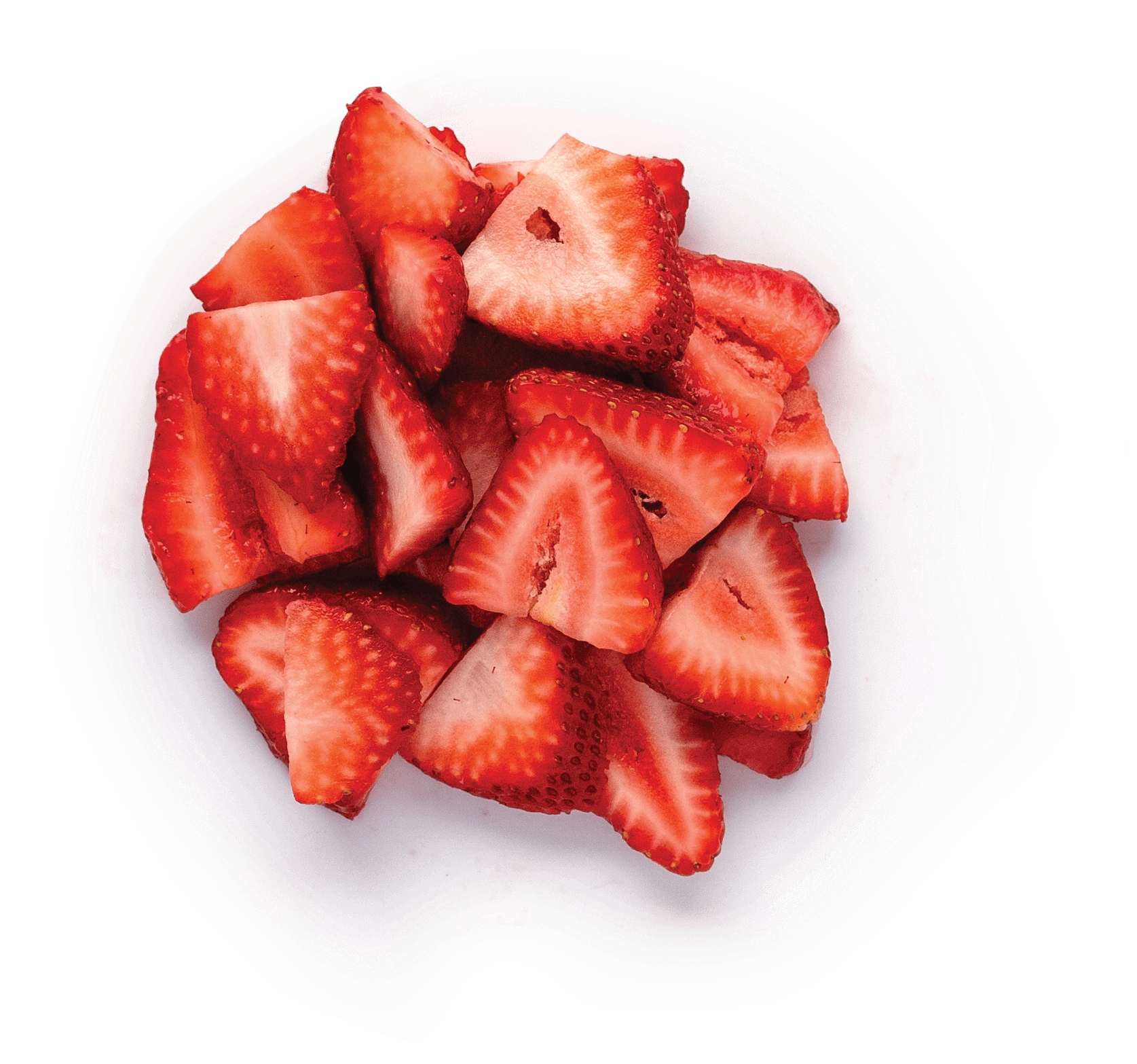
FRUITS
Amount:
2 cups
Serving size:
1 cup fruit or 100% juice
½ cup dried fruit
VEGETABLES
Amount:
3 cups
Serving size:
1 cup raw or cooked vegetables or 100% juice
2 cups raw leafy vegetables
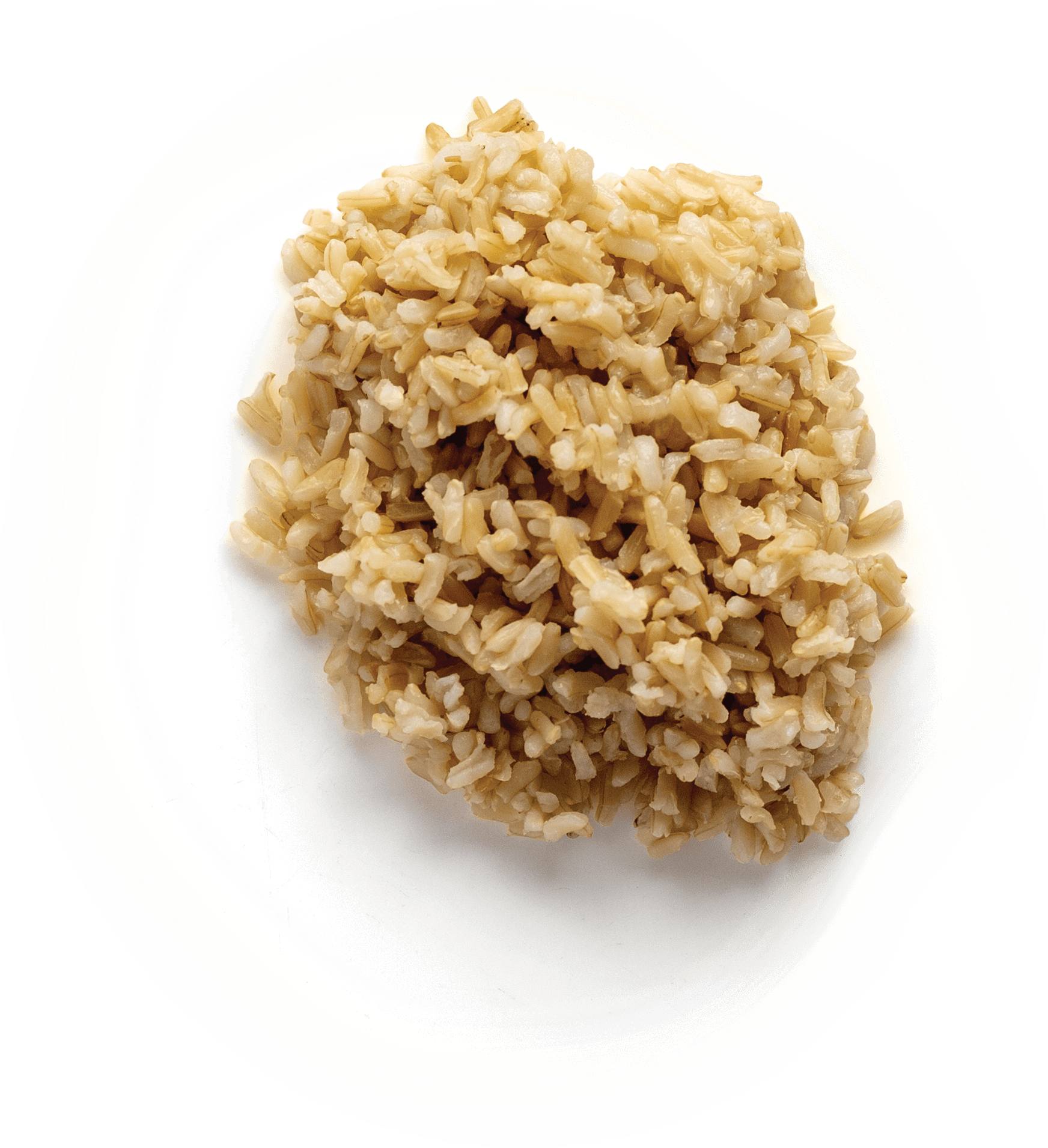
GRAINS
Amount:
8 ounces
Serving size:
1 slice bread
1 ounce ready-to-eat cereal
½ cup cooked pasta, rice, or cereal
DAIRY
Amount:
3 cups
Serving size:
1 cup milk
8 ounces yogurt
1 ½ ounces natural cheese
2 ounces processed cheese
PROTEINS
Amount:
6 ½ ounces
Serving size:
1 ounce lean meat, poultry, or seafood
¼ cup cooked beans
½ ounce nuts or 1 Tbsp peanut butter
1 egg
Get A Daily Plan for Moms Designed Just for You
The USDA’s online, interactive tool can help you choose foods based on your baby’s nursing habits and your energy needs.
If you follow a diet that does not include any form of animal protein; then you or your baby might not get enough vitamin B-12. In babies, not enough B-12 can cause symptoms such as:
Loss of appetite
Slow motor development
Being very tired
Weak muscles
Vomiting
You can help protect your and your baby’s health by taking vitamin B-12 supplements while breastfeeding. Talk to your healthcare provider about your supplement needs.
FITNESS
Moderate activity can help you feel better and have more energy. It should not affect the quality or quantity of your milk; but avoid activities where you are straining because those can lead to higher amounts of lactic acid in your milk which baby may fuss about.
Unless your doctor tells you to limit your activity for a medical reason; try to include 2 1/2 hours of emjoyable movement into your week.
Start with a 10 or 15 minute activity that you can do most days throughout the week.
ADVICE ABOUT EATING FISH
Fish and other protein-rich foods have nutrients that can help your baby’s growth and development. Some fish have higher levels of mercury, which can pass to your baby through human milk. Exposure to mercury can harm your baby’s brain and nervous system development. This chart can help you choose which fish to eat, and how often to eat them, based on their mercury levels.
Install this web app on your iPhone: tap and then Add to Home Screen.
Cross-Cradle Hold
For the right breast, use your left arm to hold your baby’s head at your right breast and baby’s body toward your left side. A pillow across your lap can help support your left arm.
Gently place your left hand behind your baby’s ears and neck, with your thumb and index finger behind each ear and your palm between baby’s shoulder blades. Turn your baby’s body toward yours so your tummies are touching.
Hold your breast as if you are squeezing a sandwich. To protect your back, avoid leaning down to your baby. Instead, bring your baby to you.
As your baby’s mouth opens, push gently with your left palm on baby’s head to help them latch on. Make sure you keep your fingers out of the way.
Reverse for the left breast.
This hold is useful when:
Your baby is premature
Your baby has a weak suck
Your baby needs help to stay latched
Your baby needs extra head support
You and your baby are comfortable in this position
Clutch or “Football” Hold
For the right breast, hold your baby level, facing up, at your right side.
Put your baby’s head near your right nipple and support their back and legs under your right arm.
Hold the base of your baby’s head with your right palm. A pillow underneath your right arm can help support your baby’s weight.
To protect your back, avoid leaning down to your baby. Bring baby to you instead.
Reverse for the left breast.
This hold is useful when:
You had a C-section
You have large breasts
You have flat or inverted nipples
You have a strong milk let-down
You are breastfeeding twins
Your baby likes to feed in an upright position
Your baby has reflux
You and your baby are comfortable in this position
Cradle Hold
For the right breast, cradle your baby with your right arm. Your baby will be on their left side across your lap, facing you at nipple level.
Your baby’s head will rest on your right forearm with your baby’s back along your inner arm and palm.
Turn your baby’s tummy toward your tummy. Your left hand is free to support your breast, if needed. Pillows can help support your arm and elbow.
To protect your back, avoid leaning down to your baby. Instead, bring your baby to you.
Reverse for the left breast.
This hold is useful when:
Your baby needs help latching on
You and your baby are comfortable in this position
Laid-Back Hold
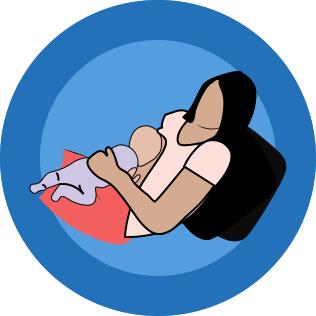
Lean back on a pillow with your baby’s tummy touching yours and their head at breast level. Some moms find that sitting up nearly straight works well. Others prefer to lean back and lie almost flat.
You can place your baby’s cheek near your breast, or you may want to use one hand to hold your breast near your baby. It’s up to you and what you think feels best.
Your baby will naturally find your nipple, latch, and begin to suckle.
This hold is useful when:
Your baby is placed on your chest right after birth
You have a strong milk let-down
You have large breasts
You and your baby are comfortable in this position