Wyoming WIC
Mother breastfeeding baby with support from counselor

Breastfeeding Support Available Through WIC | Pumps, Peer Counselors & More

  • Home
  • Live Well Blog
  • Breastfeeding Support Available Through WIC | Pumps, Peer Counselors & More
WIC breastfeeding support QR code
July 29, 2026 Women

breastfeeding Breastfeeding Support Available Through WIC

Breastfeeding can come with a lot of questions – and you do not have to figure it all out alone. WIC offers much more than food benefits when it comes to breastfeeding support. Whether you are pregnant, newly postpartum, exclusively breastfeeding, pumping, supplementing, or simply taking things one feeding at a time, WIC is here to help support your family’s feeding journey.

healthy hand Lactation Support and Breastfeeding Specialists

Many WIC programs offer access to lactation consultants and trained breastfeeding specialists who can provide more advanced support. If you are struggling or feeling unsure, your local WIC office can often connect you with the right resources and support.

They may be able to help with:

Nurse assisting mother breastfeeding her baby

counselors Breastfeeding Peer Counselors

One of the most valuable resources WIC offers is Breastfeeding Peer Counselors. Peer counselors are parents with personal breastfeeding experience who have received special training to help support other families. They understand that breastfeeding is not always easy and can offer encouragement from someone who has been there before.

Peer counselors may help by:

Tip!
Sometimes simply having someone you can text or call who understands what you are going through can make a huge difference.

electric pump Breast Pumps and Breastfeeding Equipment
Depending on your needs and local availability, WIC may also provide breastfeeding equipment and supplies. Your local WIC office can help determine what equipment may be available for your situation.

This can include:

These resources may be especially helpful for:

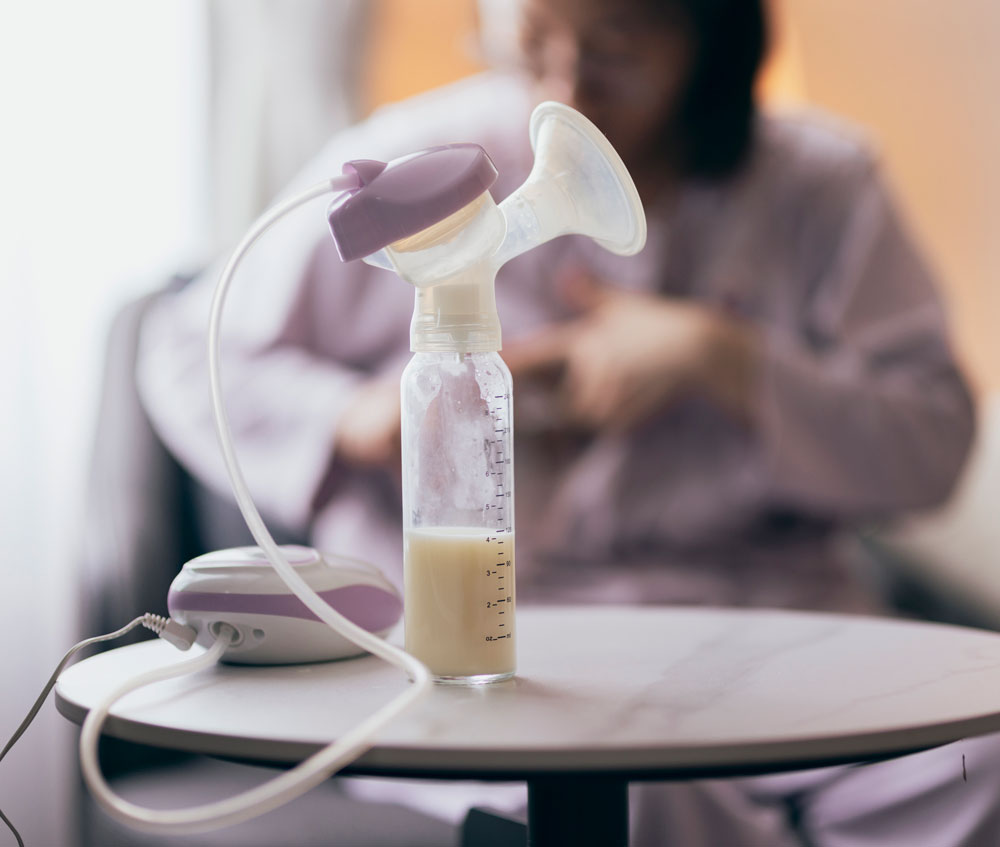
Breast pump and expressed milk bottle on table

baby latch Breastfeeding Support Groups and Community Resources

Many WIC programs also offer breastfeeding support groups, both in-person and virtual.

These groups give parents a chance to:
WIC may also help connect families with:

healthy heart Support Without Judgment

Breastfeeding does not have to be “all or nothing” to receive support from WIC.

Whether you:

WIC is here to support your family without judgment. Every feeding journey looks different, and support should meet families where they are.
Remember!
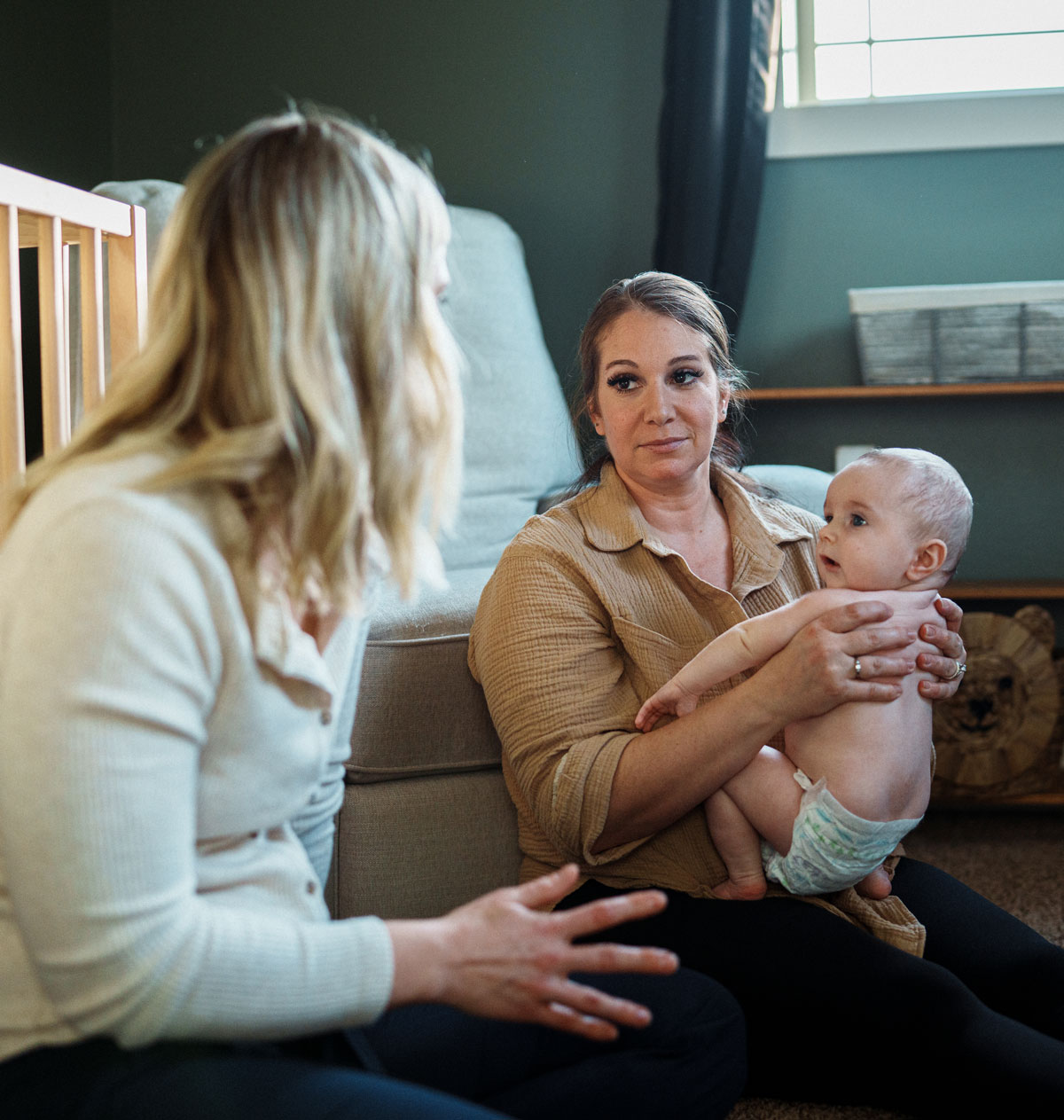
Lactation counselor converses with mother holding baby
Mothers breastfeeding babies in support group session

healthy people You Are Not Alone

Learning to feed a baby takes time, patience, and support. If you are pregnant or recently had a baby, contact your local WIC office to learn more about the breastfeeding services and resources available in your area. You do not have to figure it all out alone, support is available.

REFERENCES:

Install this web app on your iPhone: tap and then Add to Home Screen.

CROSS-CRADLE HOLD

Cross-Cradle Hold

  1. For the right breast, use your left arm to hold your baby’s head at your right breast and baby’s body toward your left side. A pillow across your lap can help support your left arm.
  2. Gently place your left hand behind your baby’s ears and neck, with your thumb and index finger behind each ear and your palm between baby’s shoulder blades. Turn your baby’s body toward yours so your tummies are touching.
  3. Hold your breast as if you are squeezing a sandwich. To protect your back, avoid leaning down to your baby. Instead, bring your baby to you.
  4. As your baby’s mouth opens, push gently with your left palm on baby’s head to help them latch on. Make sure you keep your fingers out of the way.
  5. Reverse for the left breast.

This hold is useful when:

CLUTCH OR “FOOTBALL” HOLD

Clutch or “Football” Hold

  1. For the right breast, hold your baby level, facing up, at your right side.
  2. Put your baby’s head near your right nipple and support their back and legs under your right arm.
  3. Hold the base of your baby’s head with your right palm. A pillow underneath your right arm can help support your baby’s weight.
  4. To protect your back, avoid leaning down to your baby. Bring baby to you instead.
  5. Reverse for the left breast.

This hold is useful when:

CRADLE HOLD

Cradle Hold

  1. For the right breast, cradle your baby with your right arm. Your baby will be on their left side across your lap, facing you at nipple level.
  2. Your baby’s head will rest on your right forearm with your baby’s back along your inner arm and palm.
  3. Turn your baby’s tummy toward your tummy. Your left hand is free to support your breast, if needed. Pillows can help support your arm and elbow.
  4. To protect your back, avoid leaning down to your baby. Instead, bring your baby to you.
  5. Reverse for the left breast.

This hold is useful when:

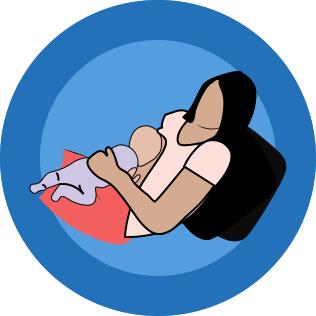
Laid-Back Hold

Laid-Back Hold

  1. Lean back on a pillow with your baby’s tummy touching yours and their head at breast level. Some moms find that sitting up nearly straight works well. Others prefer to lean back and lie almost flat.
  2. You can place your baby’s cheek near your breast, or you may want to use one hand to hold your breast near your baby. It’s up to you and what you think feels best.
  3. Your baby will naturally find your nipple, latch, and begin to suckle.

This hold is useful when: