Wyoming WIC
Avoiding Food Waste

Avoiding Food Waste

Avoiding Food Waste
April 8, 2026 General /Family

Decorative abstract Simple Tips to Reduce Food Waste and Stretch Your WIC Benefits
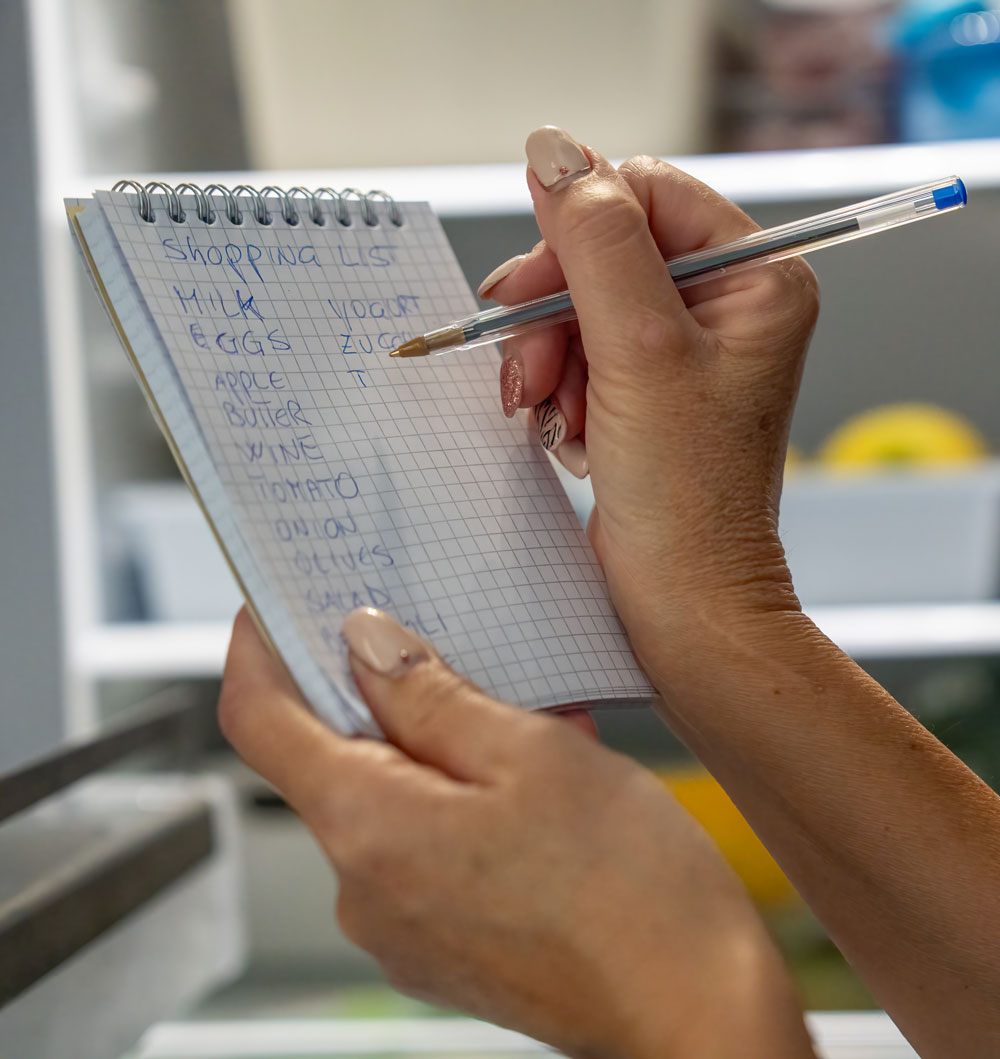
Ana was tired of throwing food away. She felt like her money was literally going in the trash. She is not alone. In the United States, about one-third of food is wasted. The good news?

A few simple steps can help you save food and money.

notebook Plan Before You Shop

Planning is the best way to prevent food waste.

Meal Make a Simple Meal Plan

Leftovers are often wasted. Planning ahead helps you use them.
Tip!

You do not need a fancy plan. Just think about the next 1–2 weeks.

man holds a baby in a shopping cart while shopping in a store

shopping Smart Shopping Tips

Planning is the best way to prevent food waste.

right way Store Food the Right Way
green thumb

leftover Use What You Have

At the end of the week, look for small amounts of leftover food. Small amounts can become a whole new meal.

You can:

buy amount Buying in Large Amounts

Warehouse stores and big packages can save money, but only if you can use the food before it spoils.

If needed:

woman cradles a baby in her arms while looking

resources Resources to Help

SAVETHEFOOD.COM

Check out savethefood.com, a website from the Natural Resources Defense Council (NRDC) that can help you reduce food waste at home. It shares simple tips on planning meals, shopping smarter, storing food so it stays fresh longer, and using leftovers and extra ingredients to prevent food from being wasted. It also offers tools like meal planning help and food storage ideas to save money and cut down on waste.

ANYLIST

Download the free AnyList app to create an organized grocery list for stress-free shopping, cooking, and meal planning. The app allows you to collect and organize recipes, plan your shopping, and more!

remeber hand Remember

1

Plan meals before shopping.

2

Buy only what you can store and use.

3

Store food safely.

4

Use leftovers in new ways.

With a little planning, you can waste less food, help save money, and make your WIC foods go further.

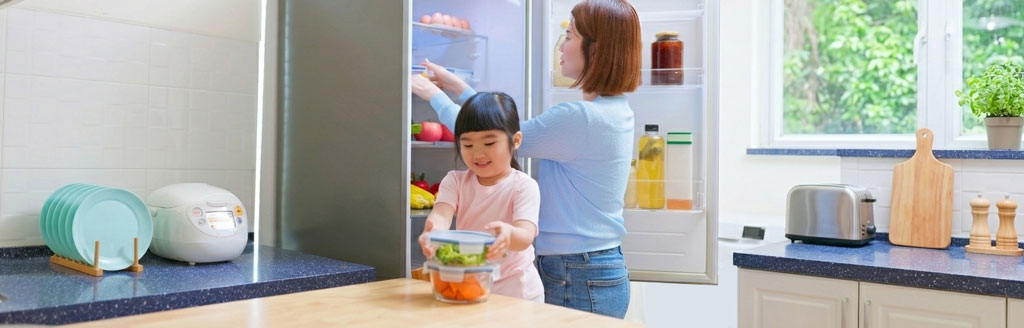
woman and a child examine fresh fruit inside

REFERENCES:

Install this web app on your iPhone: tap and then Add to Home Screen.

CROSS-CRADLE HOLD

Cross-Cradle Hold

  1. For the right breast, use your left arm to hold your baby’s head at your right breast and baby’s body toward your left side. A pillow across your lap can help support your left arm.
  2. Gently place your left hand behind your baby’s ears and neck, with your thumb and index finger behind each ear and your palm between baby’s shoulder blades. Turn your baby’s body toward yours so your tummies are touching.
  3. Hold your breast as if you are squeezing a sandwich. To protect your back, avoid leaning down to your baby. Instead, bring your baby to you.
  4. As your baby’s mouth opens, push gently with your left palm on baby’s head to help them latch on. Make sure you keep your fingers out of the way.
  5. Reverse for the left breast.

This hold is useful when:

CLUTCH OR “FOOTBALL” HOLD

Clutch or “Football” Hold

  1. For the right breast, hold your baby level, facing up, at your right side.
  2. Put your baby’s head near your right nipple and support their back and legs under your right arm.
  3. Hold the base of your baby’s head with your right palm. A pillow underneath your right arm can help support your baby’s weight.
  4. To protect your back, avoid leaning down to your baby. Bring baby to you instead.
  5. Reverse for the left breast.

This hold is useful when:

CRADLE HOLD

Cradle Hold

  1. For the right breast, cradle your baby with your right arm. Your baby will be on their left side across your lap, facing you at nipple level.
  2. Your baby’s head will rest on your right forearm with your baby’s back along your inner arm and palm.
  3. Turn your baby’s tummy toward your tummy. Your left hand is free to support your breast, if needed. Pillows can help support your arm and elbow.
  4. To protect your back, avoid leaning down to your baby. Instead, bring your baby to you.
  5. Reverse for the left breast.

This hold is useful when:

Laid-Back Hold

Laid-Back Hold

  1. Lean back on a pillow with your baby’s tummy touching yours and their head at breast level. Some moms find that sitting up nearly straight works well. Others prefer to lean back and lie almost flat.
  2. You can place your baby’s cheek near your breast, or you may want to use one hand to hold your breast near your baby. It’s up to you and what you think feels best.
  3. Your baby will naturally find your nipple, latch, and begin to suckle.

This hold is useful when: