
Wyoming WIC
When to Start Peanut and Egg to Help Prevent Allergies

When to Start Peanut and Egg to Help Prevent Allergies

When to Start Peanut and Egg to Help Prevent Allergies
April 1, 2026 Infant

baby How Starting Solid Foods at the Right Time May Help Prevent Food Allergies

Years ago, parents were told to wait before giving babies foods that might cause allergies. Some pregnant women were even told to avoid eating certain foods.

Now we know more.

A large research study showed that babies at high risk for peanut allergy were less likely to develop a peanut allergy when they were given small amounts of peanut foods starting in infancy. The benefit lasted into the teen years.

Because of this research, expert groups updated their advice.

expert recommded

women icon What Do Experts Recommend?

Medical groups now say:

Since these changes have been made, peanut allergy rates have gone down in young children, even with those who already had a food allergy or atopic dermatitis (such as eczema, asthma, or hay fever).

dinner plate Common Foods That Can Cause Allergies

These are the most common allergy foods:

PEANUTS
TREE NUTS

(like almonds, cashews, walnuts)

EGGS
MILK AND DAIRY
WHEAT
SOY
SESAME
FISH
SHELLFISH
explaimation icon

Peanuts and tree nuts are more likely to cause serious reactions.
That is why early introduction is important.

notebook icon How to Introduce Allergy Foods Safely

Your baby should show signs they are ready for solids before starting.

These signs include:

Start introducing potential allergy foods after your baby has tried a few simple foods, such as infant cereal, pureed fruits, or vegetables.
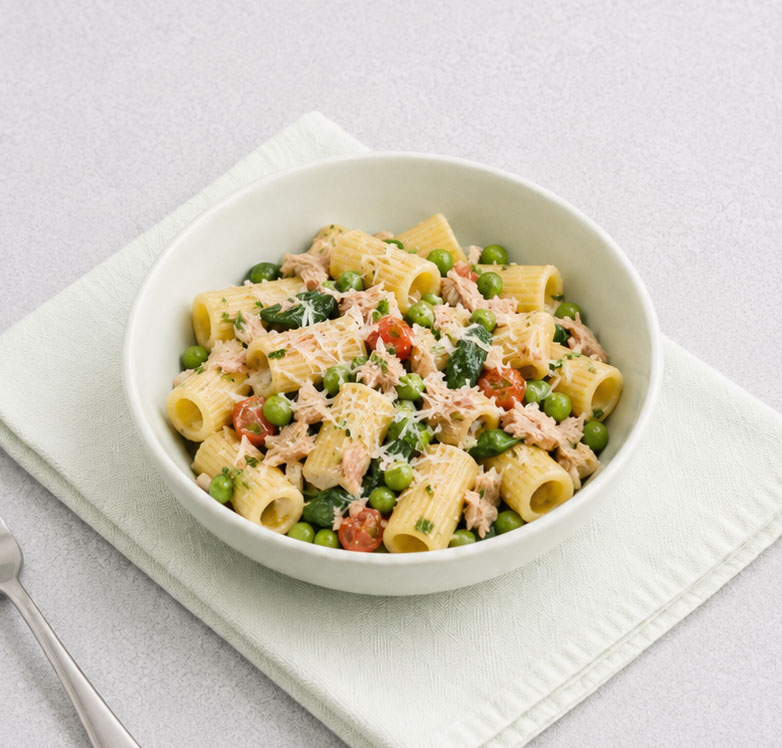
PEANUT TIPS
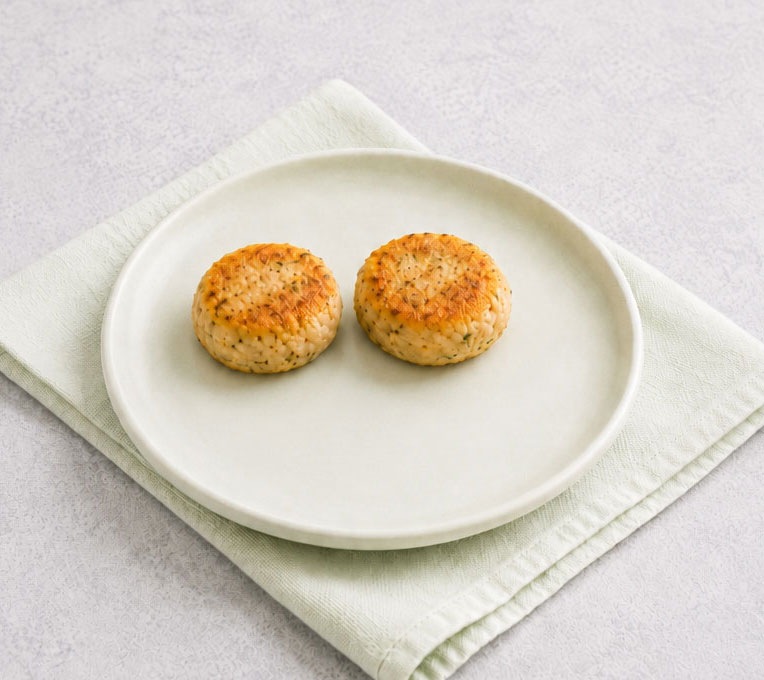
EGG TIPS
DAIRY TIPS

Baby Blues Signs of a Food Allergy

Call your health care provider right away if your baby has:

Call 911 if your baby has trouble breathing, repeated vomiting, or becomes very weak or pale.

tips search Tips for Success

1

Start solids around 6 months, when your baby shows signs they are ready.

2

Do not delay offering peanut or egg without a medical reason.

3

Offer a wide variety of foods.

4

Keep foods safe and in the right texture for your baby.

If you have questions, your WIC staff or health care provider can help guide you.

REFERENCES:

Install this web app on your iPhone: tap and then Add to Home Screen.

CROSS-CRADLE HOLD

Cross-Cradle Hold

  1. For the right breast, use your left arm to hold your baby’s head at your right breast and baby’s body toward your left side. A pillow across your lap can help support your left arm.
  2. Gently place your left hand behind your baby’s ears and neck, with your thumb and index finger behind each ear and your palm between baby’s shoulder blades. Turn your baby’s body toward yours so your tummies are touching.
  3. Hold your breast as if you are squeezing a sandwich. To protect your back, avoid leaning down to your baby. Instead, bring your baby to you.
  4. As your baby’s mouth opens, push gently with your left palm on baby’s head to help them latch on. Make sure you keep your fingers out of the way.
  5. Reverse for the left breast.

This hold is useful when:

CLUTCH OR “FOOTBALL” HOLD

Clutch or “Football” Hold

  1. For the right breast, hold your baby level, facing up, at your right side.
  2. Put your baby’s head near your right nipple and support their back and legs under your right arm.
  3. Hold the base of your baby’s head with your right palm. A pillow underneath your right arm can help support your baby’s weight.
  4. To protect your back, avoid leaning down to your baby. Bring baby to you instead.
  5. Reverse for the left breast.

This hold is useful when:

CRADLE HOLD

Cradle Hold

  1. For the right breast, cradle your baby with your right arm. Your baby will be on their left side across your lap, facing you at nipple level.
  2. Your baby’s head will rest on your right forearm with your baby’s back along your inner arm and palm.
  3. Turn your baby’s tummy toward your tummy. Your left hand is free to support your breast, if needed. Pillows can help support your arm and elbow.
  4. To protect your back, avoid leaning down to your baby. Instead, bring your baby to you.
  5. Reverse for the left breast.

This hold is useful when:

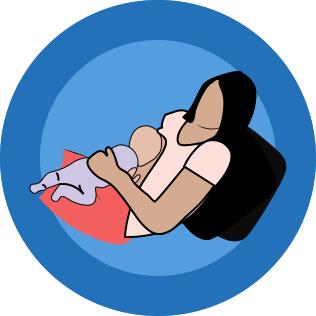
Laid-Back Hold

Laid-Back Hold

  1. Lean back on a pillow with your baby’s tummy touching yours and their head at breast level. Some moms find that sitting up nearly straight works well. Others prefer to lean back and lie almost flat.
  2. You can place your baby’s cheek near your breast, or you may want to use one hand to hold your breast near your baby. It’s up to you and what you think feels best.
  3. Your baby will naturally find your nipple, latch, and begin to suckle.

This hold is useful when: